Obudhingiya Bwa Bwamba
Uniting the Bamba, Babwisi and Vanuma people through culture, language and community-led heritage preservation.
Historical Background
The cultural heritage of Bwamba includes artistic and cultural expressions — language and literary arts, performing arts, visual arts and handicrafts, indigenous knowledge, cultural beliefs, traditions and values, cultural sites, monuments and antiquities.
Obudhingiya Bwa Bwamba cultural institution is comprised of three major ethnic communities: Bamba, Vanoma and Babwiisi. The Babwiisi are Bantu speaking people like the Banyoro, Batooro, Bakonzo, and Baganda. The Bamba and Vanoma are more or less Nilotic speaking people.
Colonial Era & The Rwenzururu Movement
In the 1890's, the European colonialists divided the indigenous people into two: the western side fell under Belgian colonialists where the Babwiisi were referred to as Batalinga and the Bamba called Bhahumu. The eastern side fell under the British Protectorate where the people were annexed to Tooro Kingdom and the area named Bwamba County.
The social, political and economic repression and marginalisation by Tooro Kingdom prompted the Bamba, Babwiisi and Bakonzo to present a petition demanding equality in 1954, eventually leading to the historic walk out from the Toro Rukurato on 13th March 1962.
BBEDA Founder Members
Bamba–Babwiisi Elders Development Association — 43 founding members who laid the foundation for Obudhingiya Bwa Bwamba.
View Members →Rwenzururu Founder Members
Rwenzururu Movement founder members in Bundibugyo — 58 individuals who stood for autonomy and self-determination.
View Members →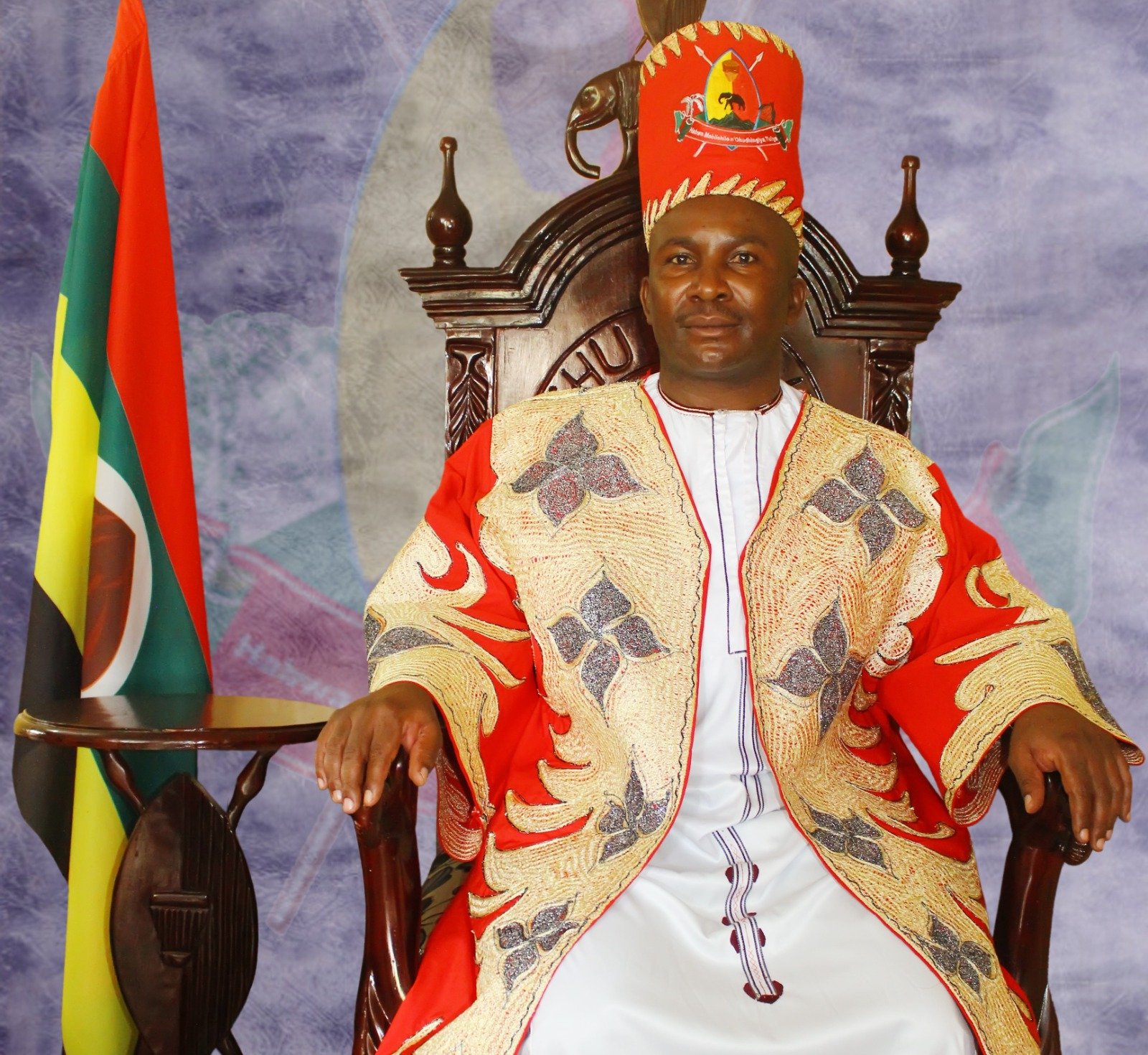











Aims & Objectives
Under Chapter Two of the Constitution of Obudhingiya Bwa Bwamba, the institution is established to pursue the following aims and objectives:
Establish and maintain an institutional framework for the cultural leadership of Obudhingiya Bwa Bwamba.
Initiate, stimulate, support and maintain cultural and social unity among the ethnic communities (Banabudhingiya).
Preserve, foster and enrich Obudhingiya cultural heritage, and discard those inconsistent with morality.
Protect and promote traditional cultural sites, institutions and related identities.